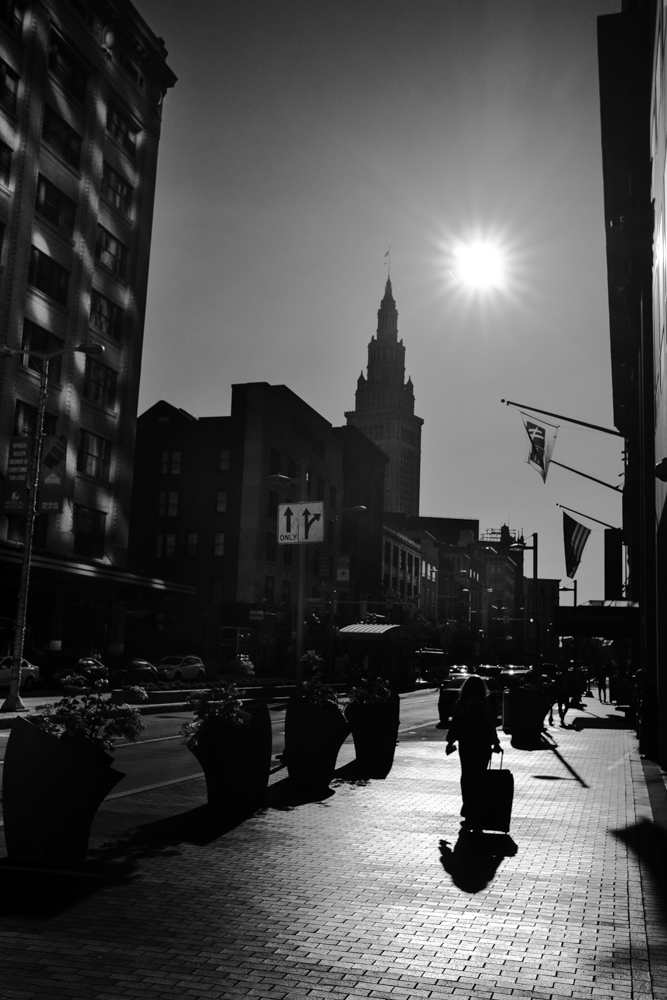
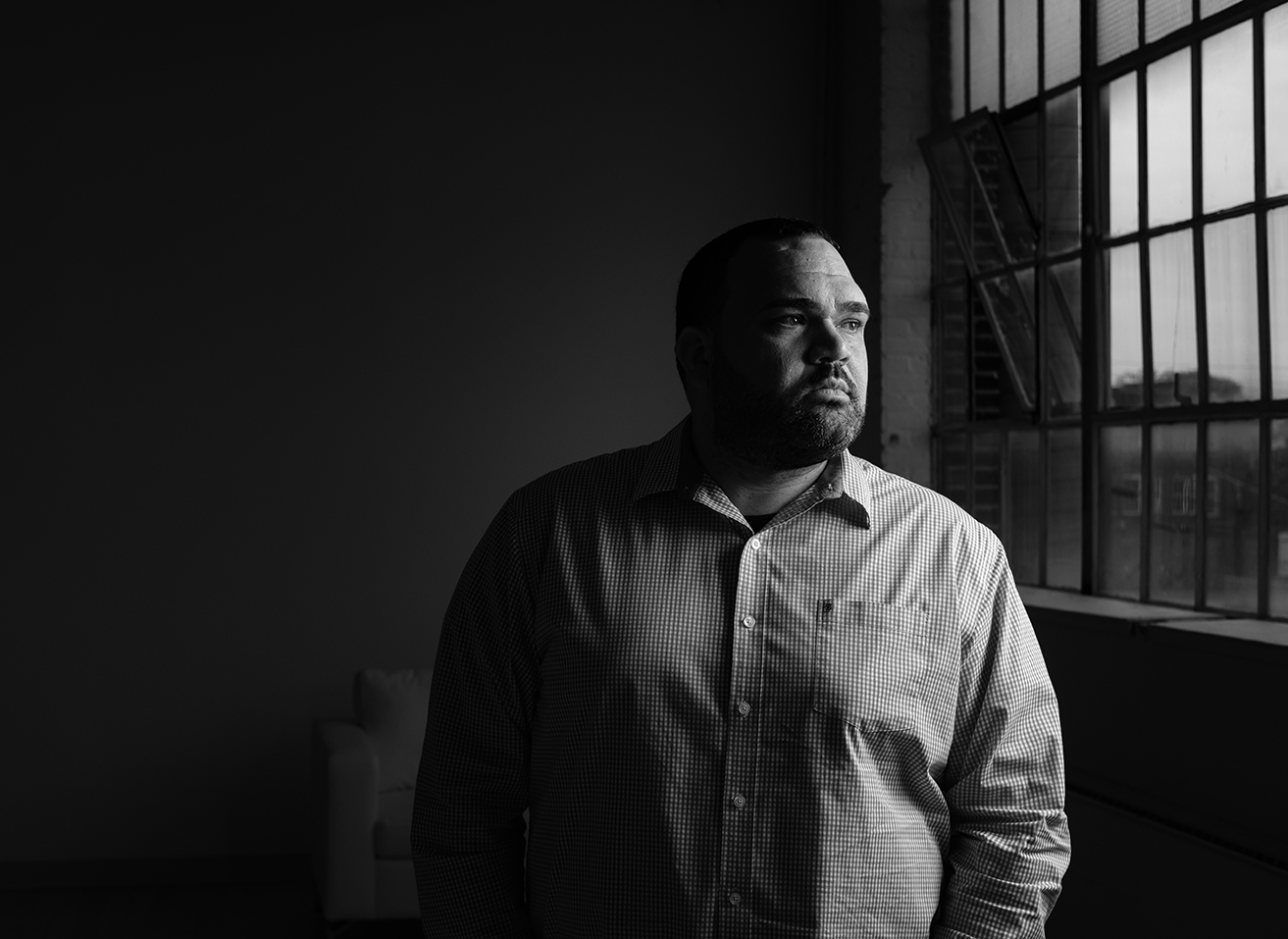
As a street photographer, the hardest part is to see how homelessness has increased in our city, seen the suffering of those that have nothing is difficult but also reminds me how lucky I am to be healthy and have what I have.
Benjamin Colon
Why did you choose to pursue a career as a photographer?
Before telling you the why, I will take you further. Photography found me when I was existing in pain. The pain of seeing my mother succumbing to Alzheimer’s. Those were dark times, in which nothing made sense. Photography was the catalyst of transforming pain into something beautiful, joyful, and created order in the chaos of pain. The joy became a passion, therefore freedom. The process of making images turned into an experiment, a reason to wander, to play as a kid in a playground, a playground in which I am free to explore life from a new perspective. Photography is not a career it’s the medium that I use to express myself and explore life as a kid would do. So why did I pursue photography? Because of freedom.
Why did you choose street photography as your primary technique?
The beauty of street photography it’s that allows me to explore life, and can be practiced everywhere, there is no specific gear needed, neither rules set in stone, certainly composition, and other elements still apply to it, but street photography is more flexible. I enjoy that subjects are everywhere, and everything has the potential to be an interesting subject. The magic of street photography is that one day I chase colors, another light, other days I’m hunting for human expressions or moments in which people are being human, or images that capture how I feel about life or humanity. Street photography is freedom, I allow myself to see, feel and be, I don’t rationalize why certain subjects provoke me to press the shutter, also, is the side of street photography that requires the photographer to carefully compose the image to create something out of the chaos. Both approaches are liberating and rewarding.
How long have you been a photographer?
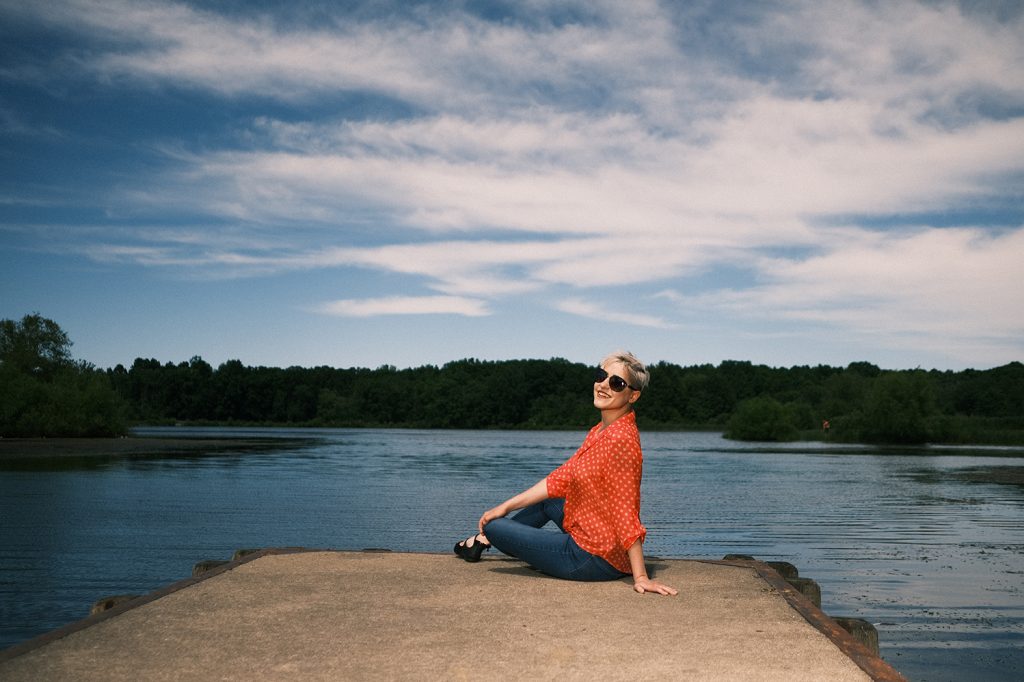
I have been photographing for five years. I began chasing sunsets, then discovered street photography and now I am working on portraits, which I love doing.
Tell us about your new book
Besides being a photographer, I also write. In December 2020 I published my first book of short stories, Freed. In Freed I push the limits of social acceptance as suppressed characters rage against conformity, cruelty, and stereotypes. In the book I question what reality is and what makes reality good. The stories in Freed narrate the life of a rebellious young man in school and in early profession trying to break free.
What makes the good picture stand out from the average?
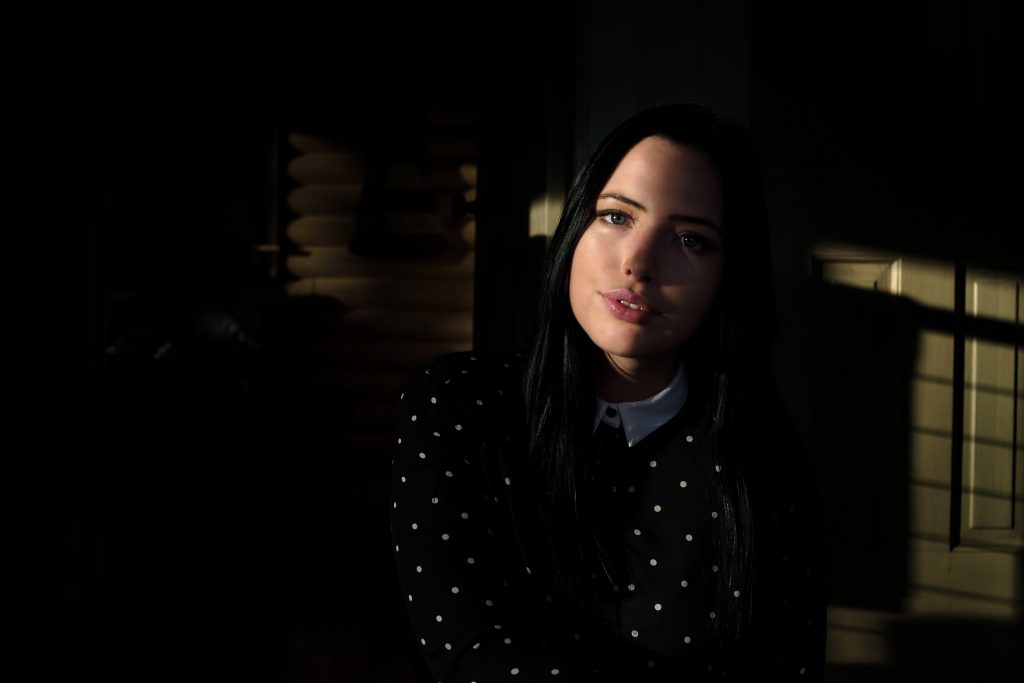
There are many elements that contribute to the creation of a good image, mood, light, composition, perspective, simplicity, etc. A photograph to be able to stand out it must have one or two elements creating a narrative or provoking an emotional response from the viewer.
What or who inspires you?
My inspiration comes from the pain and chaos that I have experienced in life. Also, my love for freedom and the contradiction that is life itself. The need for freedom to explore color, light, and darkness. I find inspiration in the work of Sebastiao Salgado, Paul C Smith, Robert Frank, Richard Avedon, Yousuf Karsh and other photographers. I also find inspiration in other disciplines such as philosophy and music. My writing is highly influenced by my experiences in life and the philosophy of Nietzsche and Carl Jung.
What is the most difficult part of being a photographer for you?
As a street photographer, the hardest part is to see how homelessness has increased in our city, seen the suffering of those that have nothing is difficult but also reminds me how lucky I am to be healthy and have what I have.
.
What is the most rewarding part of being a photographer for you?
The most rewarding part of being a photographer, it is the conversations that emerge from the interaction with my clients and subjects in the streets. I love listening to people’s stories and struggles in life and how they have overcome those hard moments in life.
What kind of gear do you use?
My main camera system is Fujifilm. I love the images and colors that produce, and the size. I carry a camera with me everywhere I go, so the Fujifilm system was the perfect choice for my needs. I also use Nikon; I use the Nikon z6 when I know that I’m going to photograph in a very dark environment and light will be an issue.
Be honest, how important are the camera and lenses are in photography.
Certainly, lenses and cameras are important. I’m not taking a slow-focusing camera with a wide-angle lens to shoot sports or wildlife. It can be done, but it will be more difficult than using a camera and lens that was designed for it. In contrast, for street
photography, a smartphone camera can be used, as long as the person understands its limitations. For my street photography, I generally use a 14mm f2.8 and 23mm f2 full-frame equivalent lenses, and for my portrait work, I use 35mm f1.4 and 56mm f1.2. I will invest more in lenses and lights than a camera body. A great lens in an entry level camera will produce better images than using a crappy lens in a high megapixel camera body. Light, lenses and creativity are the most important things in photography. If the job required a certain lens and camera, then those elements will be super important.
What kind of tools do you use for post-processing?
I like to keep things simple for that reason 90% of my editing process is has done in an iPad Pro using Lightroom mobile. When the job requires me to do retouching, I use Photoshop on my PC.
What’s your next project?
I am writing my second book and promoting Freed. Also, I’m in the middle of I Identify As an assignment for Cleveland Photo Fest in which I must create a portrait of a photographer of different national or ethnic backgrounds and vice versa. On my photography, I have transitioned to photographing at night. The artificial light produces interesting and vibrant colors. My goal is to have an exhibition of portrait images done at night, full of vibrant colors and moods.
Do you have any regrets?
My only regret is not having developed an interest in photography years ago.
Do you want to add anything else or have shutouts?
I want to thank all of those that have supported my work and my friends Maya, Erick, Tyler, AJ, Marissa, and my whole life friend Chris, girl you are the best. I also would like to thank Ivan Gomez and Art and Culture Magazine for this opportunity. Certainly, was fun. Thank You!
Thank you for your time.